
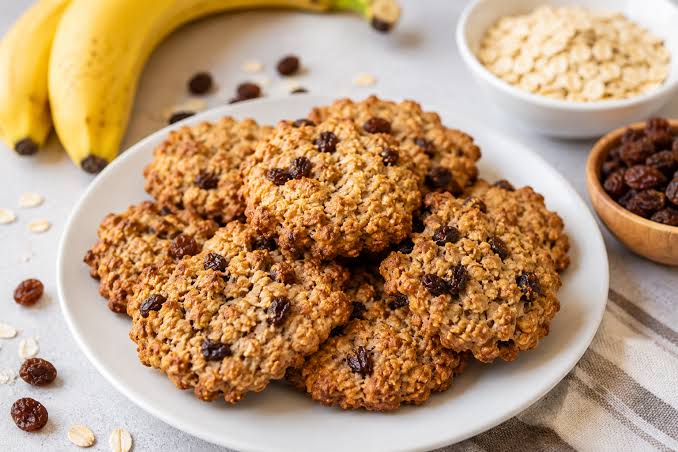
When it comes to baking delicious treats, understanding the role of each ingredient can make a remarkable difference. Sausainiai, a popular type of cookie enjoyed in many homes, can be simple to prepare, yet achieving the ideal combination of flavor, tenderness, crispness, and richness requires careful attention to ingredients. Every component contributes something important, from the flour that creates structure to the butter that provides richness. By learning how individual ingredients work together, home bakers can create more consistent and enjoyable sausainiai for everyday snacks, family gatherings, and special occasions.
The Importance of Flour in Sausainiai
Flour is one of the primary ingredients because it provides the structure that allows cookies to hold their shape. Wheat flour is commonly used because it contains proteins that form gluten when combined with moisture and mixed. Gluten development needs to be controlled in cookie recipes. Too much mixing can create a tougher texture, while too little structure may cause the cookies to spread excessively.
For softer sausainiai, using the correct amount of flour is essential. Measuring flour accurately prevents the dough from becoming excessively dry. Scooping flour directly from a container can pack it into the measuring cup, resulting in too much flour. A better approach is to spoon flour into the measuring cup and level it gently. This small step can produce noticeably better texture.
Butter Creates Richness and Tenderness
Butter plays several important roles in sausainiai. It contributes a creamy, rich flavor while also helping create a tender texture. During baking, the water contained in butter produces steam, while the fat coats flour particles and helps limit excessive gluten development.
The temperature of butter also affects the final result. Softened butter is often useful when creaming it with sugar because it helps incorporate air into the mixture. Cold butter can produce a different texture and may be useful in recipes designed for firmer, more crumbly cookies. Melted butter can create cookies with a denser and chewier consistency.
The type of butter can also influence flavor. Unsalted butter gives bakers greater control over the amount of salt in the recipe, while salted butter adds both richness and seasoning.
Sugar Balances Flavor and Texture
Sugar does much more than make sausainiai sweet. It affects color, moisture, spread, tenderness, and crispness. Granulated sugar generally encourages a crispier texture and can help cookies spread during baking. Brown sugar contains molasses, which contributes a deeper flavor and additional moisture.
Using a combination of white and brown sugar can create a balanced cookie with crisp edges and a softer center. Sugar also participates in caramelization and browning, giving baked sausainiai their attractive golden appearance and more complex flavor.
The quantity of sugar should not be changed casually. Reducing it significantly can affect not only sweetness but also the structure and texture of the finished cookies.
Eggs Help Bind and Structure the Dough
Eggs are another valuable ingredient because they help bind the dough together. Egg proteins set during baking, helping sausainiai maintain their shape. The yolk also contributes fat, richness, and a smoother mouthfeel, while egg whites provide water and protein.
Adding a whole egg can produce a balanced texture, while recipes using additional yolks may create richer and more tender cookies. Egg size matters as well. Since excess liquid can change dough consistency, using the size specified in a recipe helps maintain predictable results.
Eggs should generally be incorporated thoroughly without unnecessarily overmixing the finished dough.
Baking Powder and Baking Soda Influence Texture
Leavening agents determine how much sausainiai rise and spread. Baking powder releases gases during baking and can create a lighter, slightly puffier texture. Baking soda reacts with acidic ingredients and can encourage spreading, browning, and a more tender texture.
The two ingredients are not always interchangeable. Their chemical behavior is different, so replacing one with another can significantly change the finished cookie. A carefully balanced recipe uses the appropriate leavening agent according to the other ingredients present.
Too much leavening can create an unpleasant taste or cause cookies to rise and then collapse. Accurate measurement is therefore particularly important.
Salt Enhances Sweet Flavors
Although salt is usually added in small quantities, it has a major effect on flavor. It balances sweetness and helps highlight the buttery, vanilla, chocolate, or nutty notes in sausainiai.
Without enough salt, cookies can taste flat even when they contain plenty of sugar. A modest amount can make the overall flavor seem richer and more developed. Fine salt distributes more evenly throughout dough, helping maintain consistent flavor from one cookie to another.
Vanilla and Other Flavorings Add Character
Vanilla extract is a classic flavoring that complements almost every cookie ingredient. It enhances sweetness and adds warmth without overpowering the main flavors. Depending on the recipe, bakers can also experiment with almond extract, citrus zest, cinnamon, cardamom, or other spices.
Natural flavorings can transform a basic dough into something distinctive. Lemon zest, for example, adds freshness, while cinnamon provides warmth and depth. When using strong extracts or spices, moderation is important because too much can overwhelm the buttery flavor of the cookie.
Chocolate, Nuts, and Dried Fruit
Additional ingredients can provide contrast in both flavor and texture. Chocolate chips or chopped chocolate introduce richness and pockets of melted sweetness. Nuts such as almonds, hazelnuts, pecans, or walnuts contribute crunch and a roasted flavor.
Dried fruits can provide chewiness and natural sweetness. Raisins, cranberries, chopped dates, and apricots can all work well in suitable sausainiai recipes. Ingredients should be distributed evenly through the dough so that each cookie receives a balanced combination of flavors.
Toasting nuts before adding them can intensify their flavor. However, they should be cooled before mixing into the dough to avoid unnecessarily warming the butter.
How Ingredient Ratios Affect Texture
The relationship between ingredients is just as important as the ingredients themselves. More flour generally creates a firmer dough, while additional fat can produce a more tender and delicate cookie. Sugar affects spread and crispness, while eggs contribute structure and moisture.
Small changes can therefore create significant differences. If sausainiai spread too much, the dough may contain too much fat or sugar, too little flour, or may have been baked on an excessively warm tray. If the cookies are dry and hard, there may be too much flour or insufficient fat and moisture.
Understanding these relationships allows bakers to troubleshoot instead of simply guessing when something goes wrong.
Tips for Better Sausainiai Every Time
Ingredient quality and preparation both matter. Use fresh flour, properly stored butter, and flavorings that have not lost their aroma. Measure ingredients carefully, especially flour and leavening agents.
Chilling the dough can help control spreading and allow flavors to develop. It is particularly useful when the dough feels very soft or sticky. Baking on a cool baking sheet is also important because placing fresh dough on a hot tray can cause it to spread before the structure has time to set.
Avoid overbaking. Cookies often continue to firm up as they cool, so removing them when the edges are lightly golden can help preserve a softer center.
Creating Your Ideal Cookie
The beauty of sausainiai is that the basic ingredients can be adjusted to create many different textures and flavors. A combination of butter, flour, sugar, eggs, salt, and appropriate leavening provides a dependable foundation. From there, vanilla, spices, chocolate, nuts, and dried fruit can be introduced according to personal preference.
Understanding what each ingredient contributes makes baking more predictable and enjoyable. Rather than treating a recipe as a fixed list of measurements, bakers can recognize how every component affects the final result. With careful measuring, balanced ratios, proper mixing, and attentive baking, it becomes much easier to create sausainiai that are flavorful, beautifully textured, and satisfying from the first bite to the last.