
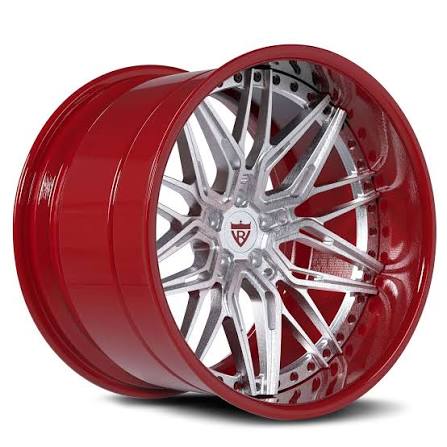
When upgrading a vehicle, wheels are one of the most noticeable components you can change. They influence the vehicle’s appearance, handling, weight, and overall custom forged wheels driving experience. Among the most popular options are custom forged wheels and cast wheels. While both can provide excellent performance and attractive styling, they are manufactured differently and offer distinct advantages.
Understanding the differences between forged and cast wheels can help vehicle owners choose an option that matches their driving needs, style preferences, and budget. Whether you drive a BMW, Audi, Porsche, Mercedes-Benz, or another performance vehicle, selecting the right wheels can make a significant difference.
What Are Forged Wheels?
Forged wheels are manufactured from a solid piece of aluminum alloy called a billet. Instead of simply pouring molten metal into a mold, manufacturers apply significant pressure to shape the aluminum into the desired wheel design. The forging process creates a dense and strong material structure.
After the initial forging process, the wheel is precisely machined to achieve its final shape, dimensions, and design. This allows manufacturers to produce wheels with highly accurate fitments and detailed designs.
Custom forged wheels take this process further by allowing customers to select specific sizes, widths, offsets, finishes, and fitments. They are particularly popular among enthusiasts who want a combination of personalized styling and performance.
What Are Cast Wheels?
Cast wheels are manufactured by pouring molten aluminum alloy into a mold. Once the metal cools and solidifies, the wheel is removed from the mold and undergoes additional machining and finishing processes.
Casting is a widely used manufacturing method because it allows manufacturers to produce large quantities of wheels efficiently. Since the process is generally less expensive than forging, cast wheels are available at a broader range of price points.
Cast wheels can also be offered in numerous designs, finishes, and sizes. For everyday driving, they can provide a practical and attractive solution.
Manufacturing Process
The biggest difference between forged and cast wheels is the manufacturing process.
Forged wheels begin with solid aluminum material. High pressure and controlled heat are used to form the metal. The resulting material generally has a dense grain structure, which contributes to the wheel’s strength and durability.
Cast wheels, on the other hand, begin as molten aluminum that is poured into a mold. As the material cools, it forms the shape of the wheel. The process is simpler and more economical, making casting suitable for mass production.
These different manufacturing techniques affect the wheel’s weight, strength, customization possibilities, and cost.
Strength and Durability
Wheel strength is an important consideration, especially for drivers who regularly use their vehicles on demanding roads or enjoy performance driving.
Forged wheels are known for their high strength-to-weight ratio. The forging process compresses and aligns the material structure, allowing manufacturers to create strong wheels without requiring excessive material.
Cast wheels can also be durable when properly designed and manufactured. However, they may require more material to achieve comparable strength. The actual durability of either wheel depends on the alloy, engineering, design, manufacturing quality, and how the wheel is used.
For drivers looking for lightweight wheels designed with performance in mind, forged construction can be an attractive option.
Weight Differences
Reducing unsprung weight is another reason performance enthusiasts consider forged wheels. Unsprung weight includes components such as wheels and tires that are not supported directly by the vehicle’s suspension.
A lighter wheel can potentially help suspension components respond more effectively to changes in the road surface. It may also contribute to improved steering response and acceleration characteristics.
Because forging allows manufacturers to create strong wheels with less material, forged designs can often be lighter than comparable cast wheels.
However, weight should not be the only factor considered. Wheel dimensions, tire selection, construction, and vehicle setup all influence the final driving characteristics.
Customization Options
Customization is one of the biggest advantages of custom forged wheels. Since forged wheels can be precisely machined, manufacturers can create highly specific specifications for individual vehicles.
Customers may be able to choose:
- Wheel diameter
- Wheel width
- Offset
- Bolt pattern
- Center bore
- Concavity
- Spoke design
- Lip configuration
- Surface finish
- Custom colors
This level of personalization can be especially useful for modified vehicles or owners who want a distinctive appearance.
Cast wheels are also available in many styles, but they are generally produced around standardized designs and specifications. Custom options may exist, but the level of individualization can be more limited.
Appearance and Design
Both wheel types can dramatically improve a vehicle’s appearance. Cast wheels are available in everything from simple five-spoke designs to aggressive multi-spoke styles.
Forged wheels often provide additional opportunities for creating unique designs. A custom wheel manufacturer can work around the vehicle’s specifications to develop a particular visual style.
For luxury and performance vehicles, customized finishes such as gloss, satin, brushed, polished, or special painted surfaces can create a premium appearance.
The best choice ultimately depends on the owner’s personal taste and the vehicle’s overall design.
Cost Comparison
One of the clearest differences between forged and cast wheels is price.
Forged wheels are generally more expensive because their manufacturing process involves specialized equipment, high-quality materials, precision machining, and additional production time. Custom specifications can further increase the final price.
Cast wheels are usually more affordable because casting is efficient for producing multiple wheels from the same molds. This makes them attractive to drivers who want to upgrade their vehicle without making a major investment.
Although forged wheels cost more initially, some enthusiasts consider the combination of lightweight construction, strength, customization, and premium manufacturing worth the additional expense.
Which Wheels Are Better for Daily Driving?
For many daily drivers, cast wheels can be an excellent choice. They are widely available, relatively affordable, and offered in countless designs. A properly engineered cast wheel can provide reliable performance for normal road use.
However, drivers who prioritize lightweight performance, custom fitment, and exclusive styling may prefer forged wheels.
When selecting wheels for everyday use, it is important to consider local road conditions, tire compatibility, correct fitment, and the manufacturer’s quality standards.
Which Wheels Are Better for Performance Vehicles?
Performance-focused vehicles can benefit from lightweight wheel construction. Lower wheel weight can support responsive handling and suspension behavior.
This is why custom forged wheels are popular among sports car owners and automotive enthusiasts. They can be engineered around specific vehicle requirements, allowing owners to achieve a combination of appearance and performance.
For track-focused vehicles, wheel selection should be based on professional specifications and the intended driving environment rather than appearance alone.
Choosing the Right Wheels for Your Vehicle
Before purchasing wheels, always verify the correct specifications for your vehicle. Important measurements include diameter, width, bolt pattern, offset, and center bore.
You should also consider brake clearance, tire compatibility, suspension setup, and the vehicle’s intended use. A wheel that looks excellent may not be suitable if its specifications are incorrect.
For customized applications, professional advice can help ensure that the wheels properly match the vehicle.
Final Thoughts
The difference between forged and cast wheels comes down primarily to manufacturing method, construction, weight, customization, and price. Cast wheels offer an affordable and practical option for many drivers, while forged wheels provide a premium solution for enthusiasts seeking greater customization and a strong strength-to-weight ratio.
Custom forged wheels are particularly appealing to vehicle owners who want their wheels made to specific dimensions, finishes, and fitments. They can transform the appearance of a vehicle while supporting a performance-oriented setup.
When choosing between the two, consider your budget, driving habits, vehicle specifications, desired appearance, and performance goals. The right wheel is not simply the one that looks best—it is the one that properly matches your vehicle and how you intend to drive it.