
Relocating to a different city or state is a major life event that requires careful planning, coordination, and trust in professionals who can safely transport your belongings over long distances. Understanding what happens during the process helps reduce stress and ensures a smoother transition. When working with long-distance movers, knowing what to expect at each stage can make your move more organized and predictable.
Planning and Initial Consultation
The process typically begins with an initial consultation where you discuss your moving needs with a representative from the company. This is when you explain your destination, timeline, and the size of your household. Most long-distance movers will either conduct an in-home survey or a virtual walkthrough to assess the volume and type of items being moved.
During this stage, accuracy is important. Providing detailed information about furniture, appliances, fragile items, and special requirements helps the movers prepare properly. This consultation also allows the company to estimate labor, transportation costs, and any additional services you might need such as packing or storage.
Getting a Quote and Inventory
After the assessment, you will receive a detailed quote. Reputable long-distance movers usually offer either binding or non-binding estimates. A binding estimate locks in the price based on the agreed inventory, while a non-binding estimate may change depending on the final weight or volume.
You will also receive an inventory list that outlines all items being transported. This document is crucial because it serves as a reference point during loading and unloading. Make sure to review it carefully and clarify any discrepancies before signing the agreement.
Packing and Preparation
Once you finalize your booking, the preparation phase begins. Some long-distance movers offer full-service packing, where professionals handle everything from wrapping dishes to disassembling furniture. Others may allow partial packing or self-packing if you prefer to manage some of the process yourself.
If you choose to pack on your own, it is important to use high-quality materials such as sturdy boxes, bubble wrap, and packing tape. Labeling each box with its contents and destination room can significantly speed up unpacking later.
Professional movers typically use specialized techniques to protect fragile items like glassware, electronics, and artwork. Large furniture is often disassembled, padded, and shrink-wrapped to prevent damage during transit.
Moving Day Process
On moving day, the moving crew arrives at the scheduled time to begin loading your belongings. The team usually conducts a quick walkthrough with you to confirm the inventory and ensure everything is ready for transport.
Items are carefully carried out of your home and loaded onto the truck in a strategic order to maximize space and prevent shifting during travel. Heavier items are placed at the bottom, while fragile boxes are secured on top or in designated protective sections.
It is important to be present during this stage to answer questions and verify that everything listed is being loaded. Once the truck is fully packed, you will typically sign the bill of lading, which is the official contract for transportation.
Transportation and Tracking
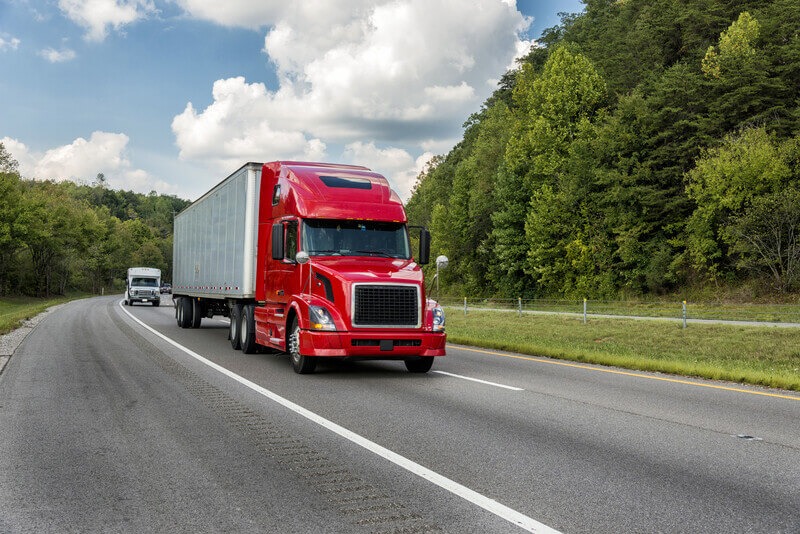
After departure, your belongings are transported to the new destination. Depending on the distance, this phase can take anywhere from a few days to a couple of weeks. Reputable long-distance movers often provide tracking options so you can monitor the progress of your shipment in real time.
During transportation, your items may be part of a consolidated load, meaning other customers’ belongings are also being moved in the same truck. This is a common practice in long-distance moving and helps reduce costs, but it may slightly affect delivery timelines.
Weather conditions, road closures, and logistical challenges can also impact transit times. However, professional movers usually communicate any delays promptly to keep you informed.
Delivery and Unloading
When your belongings arrive at the destination, the moving crew will contact you to schedule a delivery time. On arrival, they unload everything and place items in the designated rooms according to your instructions.
This is the time to carefully inspect your belongings and compare them with the original inventory list. If any damage or missing items are noticed, they should be documented immediately. Most long-distance movers have a claims process in place for handling such issues.
Some companies also offer unpacking services, where they help you set up furniture, remove packing materials, and organize your new space. This can be especially helpful after a long and tiring move.
Costs and Hidden Factors
The cost of hiring long-distance movers depends on several factors including distance, total weight, packing services, and timing. Moves during peak seasons, such as summer, are often more expensive due to higher demand.
Additional charges may apply for services like stair carries, elevator usage, storage, or handling specialty items such as pianos or safes. It is important to read the contract carefully and ask about any potential extra fees before finalizing the agreement.
Insurance coverage is another key consideration. Basic liability coverage is usually included, but it may not fully cover the value of your belongings. Many customers choose to purchase full-value protection for added peace of mind.
Tips for a Smooth Experience
To ensure a successful experience with long-distance movers, start planning early. Booking your move several weeks in advance gives you more flexibility with scheduling and pricing.
Decluttering before the move can also reduce costs and simplify the packing process. The fewer items you move, the lower your overall expenses will be. It is also a good opportunity to donate or sell items you no longer need.
Communication is essential throughout the process. Stay in contact with your moving company, confirm all details in writing, and keep copies of important documents such as estimates and contracts.
Finally, prepare an essentials box containing items you will need immediately upon arrival, such as toiletries, clothes, chargers, and important documents. This ensures you can function comfortably even before all your belongings are unpacked.
Working with professional long-distance movers can significantly reduce the stress of relocating across cities or states. While the process involves several stages—from planning and packing to transportation and delivery—understanding each step helps you stay prepared and confident. With the right preparation and a reliable moving company, your long-distance move can be a smooth and well-organized experience from start to finish.