
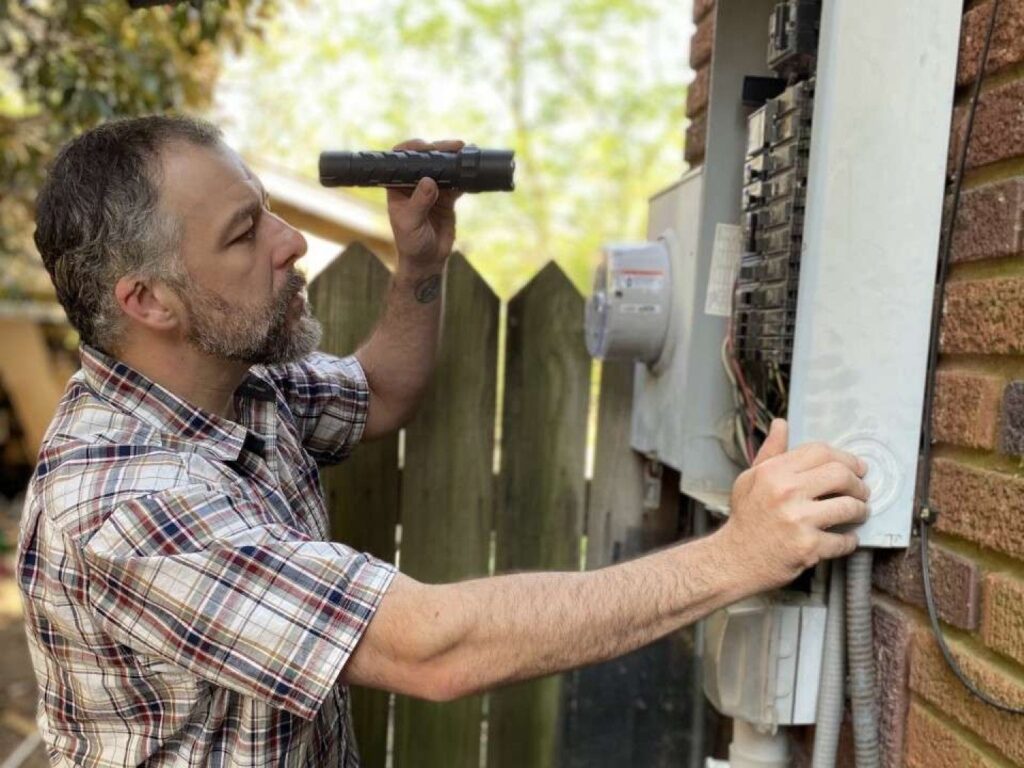
Purchasing a home is one of the most significant investments anyone can make. For residents in Little Rock, understanding a home inspection report is a crucial step in ensuring that your investment is sound. Jonesboro Home Inspections provide detailed evaluations of a property’s condition, highlighting both strengths and potential issues. However, for many homeowners, the inspection report can feel overwhelming or filled with technical jargon. This guide will help you navigate and fully understand your Little Rock Home Inspection report.
The Purpose of a Home Inspection
A home inspection is designed to assess the overall condition of a property before you finalize a purchase. Little Rock Home Inspections typically cover structural elements, electrical systems, plumbing, HVAC, roofing, and other critical areas. The primary goal is to identify any existing problems or potential future issues, giving buyers the information they need to make informed decisions. Understanding the purpose behind each section of your report can help you focus on what truly matters.
Components of a Little Rock Home Inspection Report
A comprehensive Little Rock Home Inspection report generally includes several key sections:
Structural Elements
The inspector will assess the foundation, walls, floors, ceilings, and roof structure. Look for any signs of cracks, settling, or water damage. Notes on minor cracks might not be a cause for alarm, but structural issues, such as uneven floors or sagging roofs, could indicate costly repairs.
Roofing and Exterior
Inspectors evaluate the roof covering, gutters, siding, windows, and doors. Little Rock Home Inspections will detail any leaks, damaged shingles, or improper drainage. Understanding this section helps you determine whether repairs are immediate or can be scheduled for the future.
Plumbing Systems
This section reviews pipes, faucets, drains, water heaters, and other plumbing components. Reports may identify leaks, corrosion, or outdated systems. While some issues are minor, others, like significant pipe corrosion, could lead to major expenses if not addressed promptly.
Electrical Systems
Inspectors check wiring, panels, outlets, and fixtures. Safety hazards such as exposed wiring or outdated circuit breakers will be highlighted. Recognizing these issues is critical because they could pose fire risks or require immediate attention.
HVAC Systems
Heating, ventilation, and air conditioning systems are evaluated for performance and safety. The inspector may note inefficient units, malfunctioning components, or maintenance needs. Understanding this section allows you to plan for repairs or replacements in advance.
Interior Features
This section covers walls, ceilings, floors, stairs, and built-in appliances. Issues like water stains, cracks, or malfunctioning appliances are documented. While some problems are cosmetic, others may indicate underlying concerns.
Safety Concerns
Little Rock Home Inspections also highlight safety risks, including smoke detectors, carbon monoxide detectors, stair railings, and trip hazards. Paying attention to these notes ensures your home is safe for your family.
How to Read the Report Effectively
Reading a home inspection report can be intimidating. Here are some tips to help you interpret the findings:
Understand Terminology
Inspection reports use technical language that may be confusing. Terms like “cosmetic defect” or “deferred maintenance” have specific meanings. Cosmetic defects refer to minor issues that do not impact the home’s function, while deferred maintenance may indicate repairs that have been delayed but are not urgent.
Focus on Major Issues
While minor issues are common, your attention should primarily be on major defects affecting safety or structural integrity. Look for recommendations labeled as “immediate attention” or “requires repair.” These are the items that can influence your purchasing decision or require urgent fixes.
Consider Long-Term Maintenance
Some findings are not immediate concerns but are important for future planning. For example, aging roofs or HVAC systems may need replacement in a few years. Understanding these helps you budget and schedule maintenance efficiently.
Ask Questions
Never hesitate to clarify anything you don’t understand. Little Rock Home Inspections professionals are typically available to explain their findings. Asking questions ensures you have a clear picture of the property’s condition and potential expenses.
Using the Report in Negotiations
Your home inspection report can be a valuable tool during the negotiation process. If significant issues are uncovered, you may negotiate a lower purchase price or request that the seller make repairs before closing. Even minor issues can be used to ask for concessions, but focus primarily on items that affect safety, functionality, or structural integrity.
Common Mistakes to Avoid
Many buyers make errors when reviewing a home inspection report. Avoid these pitfalls to make the most of your Little Rock Home Inspections report:
- Ignoring minor issues completely: While they may seem trivial, minor issues can accumulate over time and become costly.
- Overreacting to every detail: Not every note requires immediate action. Prioritize critical items first.
- Not consulting a specialist: Some findings may require an expert evaluation, such as structural engineers or electricians, for an accurate assessment.
Benefits of Understanding Your Report
Fully understanding your home inspection report has several advantages:
- Informed decision-making: You know exactly what you’re buying and any risks involved.
- Budget planning: Understanding potential repairs helps you allocate funds effectively.
- Negotiation leverage: Detailed reports provide evidence for requesting repairs or price adjustments.
- Safety assurance: Awareness of safety hazards ensures a secure living environment for your family.
Tips for First-Time Homebuyers
If you are new to the home-buying process, consider these tips when reviewing your Little Rock Home Inspections report:
- Take your time reading each section carefully.
- Highlight critical issues and questions for your inspector.
- Compare the findings to your priorities and budget.
- Don’t be afraid to walk away if major defects pose unacceptable risks.
Conclusion
A Little Rock Home Inspection report is a powerful tool that gives insight into the true condition of a property. By carefully reviewing each section, understanding terminology, and focusing on critical issues, you can make informed decisions and avoid unexpected costs. Whether you are a first-time homebuyer or an experienced investor, taking the time to understand your inspection report ensures that your Little Rock home is safe, comfortable, and a worthwhile investment. Investing in Little Rock Home Inspections is not just about finding problems—it’s about gaining knowledge, peace of mind, and confidence in one of the most important purchases of your life.
This guide has broken down the report into manageable sections and explained how to prioritize findings. With this knowledge, you can approach your home purchase with clarity and assurance, knowing that you fully understand the condition of your future home.