
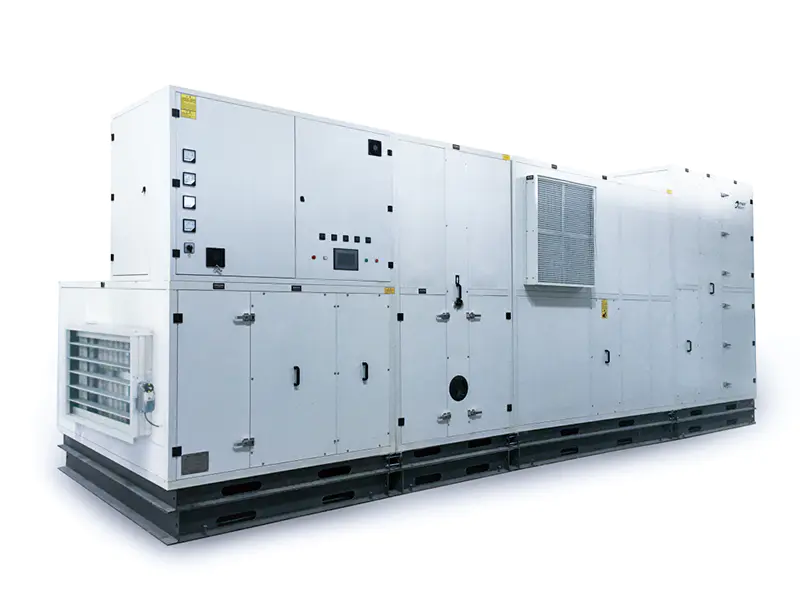
In the rapidly growing world of lithium battery technology, maintaining optimal storage and operational conditions is crucial. Batteries are highly sensitive to moisture, which can cause degradation, reduced performance, and safety risks. One of the most effective ways to ensure longevity and efficiency is by using properly designed dry rooms. These controlled environments, created and maintained by reliable lithium battery dehumidification dry rooms suppliers, play a pivotal role in enhancing battery life. Understanding how to leverage these suppliers and technologies can save costs, improve safety, and boost battery performance.
Understanding the Importance of Dry Rooms for Lithium Batteries
Lithium batteries are vulnerable to moisture, which can penetrate cells and lead to chemical reactions that compromise efficiency and safety. Humidity can trigger internal short circuits, corrosion, and electrolyte breakdown, all of which reduce the lifespan of the battery. Dry rooms are specialized environments that control temperature and humidity to maintain ideal conditions for lithium battery storage and assembly.
By maintaining a low-humidity environment, dry rooms prevent moisture-related damage, ensuring batteries perform reliably over time. This makes selecting the right lithium battery dehumidification dry rooms suppliers a critical decision for manufacturers and storage facilities. These suppliers provide expertise in designing, installing, and maintaining rooms that meet strict humidity and temperature standards.
Key Features to Look for in Dry Room Suppliers
Not all suppliers are created equal. When choosing lithium battery dehumidification dry rooms suppliers, there are several features and capabilities to consider:
- Humidity Control Precision
A good supplier provides systems capable of maintaining extremely low relative humidity, often below 1%. Precision is essential for sensitive lithium batteries, where even slight deviations can impact quality and safety. - Temperature Regulation
Effective dry rooms maintain consistent temperatures, reducing thermal stress on batteries. Suppliers should offer integrated HVAC systems or controls that ensure the environment remains stable. - Customizable Solutions
Different battery types and production scales require tailored solutions. Reputable suppliers can design dry rooms of varying sizes and configurations, ensuring compatibility with specific operational needs. - Energy Efficiency
Maintaining a dry room can be energy-intensive. Suppliers who implement energy-efficient systems, such as heat recovery and variable-speed dehumidifiers, help reduce operational costs while maintaining optimal conditions. - Compliance and Safety Standards
Reliable suppliers ensure their dry rooms meet industry standards and regulations for lithium battery handling, storage, and production. This includes ISO certifications and adherence to safety protocols.
Benefits of Partnering with Experienced Suppliers
Working with experienced lithium battery dehumidification dry rooms suppliers brings numerous advantages beyond just maintaining the right environment.
- Extended Battery Life: Properly controlled humidity and temperature significantly reduce degradation, extending the functional life of lithium batteries.
- Improved Performance: Batteries stored in optimal conditions maintain higher capacity and efficiency, improving device performance and reliability.
- Reduced Safety Risks: Moisture and temperature fluctuations can increase the risk of short circuits and fires. Well-designed dry rooms minimize these risks.
- Cost Savings: By preventing damage and extending battery life, companies save on replacement costs and downtime associated with faulty batteries.
- Regulatory Compliance: Experienced suppliers ensure that your storage and assembly practices meet all necessary regulatory requirements, avoiding potential fines or operational delays.
Selecting the Right Supplier for Your Needs
Choosing the right supplier involves careful evaluation of their expertise, track record, and technological offerings. Consider these steps:
- Assess Experience and Reputation
Look for suppliers with a proven history in providing lithium battery dry room solutions. Reviews, case studies, and client testimonials can provide insight into their reliability and expertise. - Evaluate Technology and Capabilities
Examine the technology used in their dehumidification systems. Advanced systems with real-time monitoring, automation, and precision control are preferable for critical applications. - Request Customized Solutions
Every operation has unique requirements. Suppliers who offer bespoke solutions tailored to your battery type, volume, and operational conditions ensure optimal outcomes. - Check Support and Maintenance Services
Dry rooms require regular maintenance to function correctly. Choose suppliers who provide comprehensive support, preventive maintenance, and prompt service when issues arise. - Consider Total Cost of Ownership
While upfront costs are important, evaluating the total cost of ownership—including energy usage, maintenance, and potential downtime—provides a more accurate picture of value.
Technologies Driving Dry Room Efficiency
Modern dry room suppliers incorporate cutting-edge technologies to improve efficiency and control. These include:
- Desiccant Dehumidifiers: Using silica gel or other desiccants to absorb moisture, these systems maintain ultra-low humidity levels.
- Refrigerant-Based Systems: These systems cool air to condense moisture and then reheat it to the desired temperature, providing precise environmental control.
- Automated Monitoring: Advanced sensors and software allow real-time monitoring of humidity and temperature, enabling proactive adjustments and alerts.
- Airlock and Contamination Control: Proper entry systems reduce external moisture contamination and maintain the integrity of the dry room.
Case Study: Extending Battery Life with Dry Room Implementation
A lithium battery manufacturer recently partnered with a leading lithium battery dehumidification dry rooms supplier to address high rejection rates due to moisture-related defects. The supplier designed a customized dry room system with automated humidity control and real-time monitoring. Within months, the company reported:
- 30% reduction in battery failures
- Noticeable improvement in battery efficiency and consistency
- Reduced maintenance and operational costs associated with defective units
This case highlights how partnering with the right supplier directly impacts both product quality and operational efficiency.
Future Trends in Dry Room Technology
The lithium battery industry is evolving rapidly, with increasing emphasis on electric vehicles, renewable energy storage, and portable electronics. Dry room technologies are advancing to meet these demands. Future trends include:
- Smart Dry Rooms: Integration of IoT devices for predictive maintenance and remote monitoring.
- Energy Optimization: Systems using AI to balance environmental control with energy efficiency.
- Modular Designs: Flexible configurations that allow scaling as production demands grow.
- Sustainable Solutions: Eco-friendly materials and systems that minimize environmental impact.
Conclusion
The longevity, performance, and safety of lithium batteries are highly dependent on their storage and operational environment. Partnering with reputable lithium battery dehumidification dry rooms suppliers ensures that batteries are protected from moisture and temperature fluctuations, leading to enhanced life and efficiency. By carefully evaluating supplier expertise, technology, and service offerings, manufacturers can create optimal conditions that not only improve battery reliability but also reduce costs and support sustainable operations. In a competitive industry where battery quality is paramount, investing in effective dry room solutions is an essential strategy for success.
Lithium battery manufacturers and storage facilities that prioritize dry room excellence are investing directly in the reliability and future of their products. Working with trusted suppliers ensures the right environment, advanced technology, and expert support—all critical components for maximizing battery life.