
Understanding Laser Scar Removal and How It Works
Laser Scar Removal has become one of the most sought-after dermatological procedures for people looking to improve the appearance of scars caused by acne, injuries, burns, or surgical procedures. The treatment uses focused beams of light to target damaged skin layers, stimulate collagen production, and promote the growth of healthier skin cells. Over time, this process helps smooth out uneven texture, reduce discoloration, and improve overall skin tone.
What makes Laser Scar Removal particularly effective is its ability to work with the body’s natural healing system. Instead of simply covering up scars, it encourages the skin to regenerate from within. Patients often notice gradual improvements rather than instant transformation, which makes understanding the before and after results essential for setting realistic expectations.
What Before Treatment Looks Like and What Patients Typically Experience
Before undergoing Laser Scar Removal, most patients present with visible scars that may vary in depth, color, and texture. Some scars appear raised and thick, while others are sunken or discolored. Acne scars, for example, often leave pitted marks, while surgical scars may appear linear but uneven in pigmentation.
At this stage, individuals often report concerns such as uneven skin texture, reduced confidence, and difficulty covering scars with makeup or skincare products. Dermatologists usually assess the scar type before recommending a specific laser approach, as different scars respond differently to treatment intensity and wavelength.
Skin preparation before Laser Scar Removal may include avoiding sun exposure, discontinuing certain skincare products like retinoids, and ensuring the skin is free from active infections or irritation. This preparation helps maximize the effectiveness of the treatment and reduces potential side effects.
Factors That Influence Laser Scar Removal Results
The outcome of Laser Scar Removal depends on several important factors. One of the most significant is the type of scar being treated. Atrophic scars, such as acne scars, often require multiple sessions, while hypertrophic or raised scars may respond more quickly to laser energy.
Skin type also plays a crucial role. Individuals with lighter skin tones may experience faster visible improvements, while those with darker skin tones may require more customized settings to avoid pigmentation changes. However, modern laser technology has greatly improved safety and effectiveness across all skin types.
The age of the scar is another determining factor. Older scars are often more resistant to treatment, while newer scars tend to respond more quickly. Additionally, the patient’s overall skin health, hydration levels, and post-treatment care routine significantly influence final results.
Consistency in attending sessions is equally important. Laser Scar Removal is not a one-time procedure but a gradual process that builds results over time.
The Treatment Process and What Happens During Sessions
During a Laser Scar Removal session, the skin is first cleansed and sometimes numbed with a topical anesthetic to minimize discomfort. The practitioner then uses a specialized laser device that emits controlled pulses of light onto the scarred area.
Depending on the type of laser used—such as fractional lasers or ablative lasers—the treatment either removes thin layers of skin or creates micro-injuries that stimulate collagen regeneration. Patients often describe the sensation as a mild tingling or warm snapping feeling.
Each session can last anywhere from 20 minutes to over an hour, depending on the size and severity of the treatment area. After the procedure, the skin may appear red, slightly swollen, or sensitive, similar to a mild sunburn. This is a normal part of the healing process and usually subsides within a few days.
After Treatment: Healing Timeline and Visible Changes
The after results of Laser Scar Removal do not appear instantly but develop gradually over weeks and months. In the first few days, the skin may go through a healing phase where redness and mild peeling are common. This is followed by a regeneration phase where new skin cells begin to form.
Within two to four weeks, patients often start noticing improvements in skin texture and tone. Scars may appear softer, less raised, or less visible in color contrast. As collagen production continues, the skin becomes smoother and more even.
After multiple sessions, typically spaced several weeks apart, the final results become more noticeable. Scars that once seemed deep or prominent may appear significantly reduced or almost invisible. However, complete scar removal is not always possible, and the goal of Laser Scar Removal is usually significant improvement rather than total elimination.
Before and After Results: What Patients Can Realistically Expect
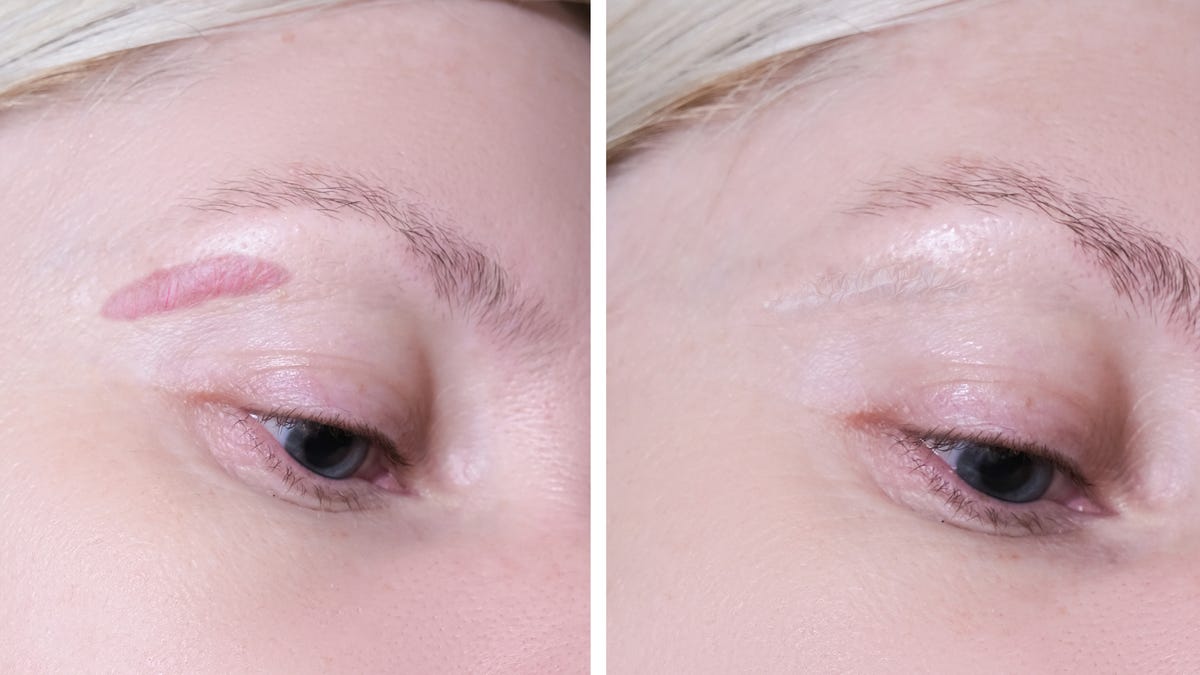
When comparing before and after results of Laser Scar Removal, the difference is often quite noticeable but varies from person to person. Before treatment, scars may dominate the skin’s appearance, affecting texture and uniformity. After completing a full treatment plan, the skin typically appears smoother, more even in tone, and healthier overall.
In cases of acne scarring, patients often report a dramatic improvement in skin clarity. Surgical scars may become thinner and lighter, blending more naturally with surrounding skin. Burn scars may also soften and become less rigid, improving both appearance and comfort.
It is important to note that while Laser Scar Removal can significantly enhance skin appearance, it does not erase scars completely in all cases. Instead, it reduces their visibility and improves skin quality, which is often enough to boost confidence and satisfaction.
Benefits and Limitations of Laser Scar Removal
One of the main benefits of Laser Scar Removal is its non-invasive nature. Unlike surgical scar revision, it does not require cutting or stitching, which reduces downtime and risk. It also stimulates natural collagen production, leading to long-term skin improvement.
Another advantage is customization. Treatments can be adjusted based on scar type, depth, and skin sensitivity, making it suitable for a wide range of patients.
However, there are limitations to consider. Multiple sessions are usually required, and results are gradual rather than immediate. Some patients may experience temporary side effects such as redness, swelling, or mild pigmentation changes. Additionally, not all scars respond equally, and very deep scars may only show partial improvement.
Post-treatment care is also crucial. Sun protection, hydration, and following dermatologist instructions play a major role in maintaining results and preventing complications.
Conclusion: The Real Impact of Laser Scar Removal on Skin Appearance
Laser Scar Removal offers a scientifically advanced and highly effective solution for improving the appearance of various types of scars. By comparing before and after results, it becomes clear that the treatment can significantly enhance skin texture, reduce discoloration, and restore a more even complexion.
While it is not an instant fix, its gradual and natural-looking improvements make it a preferred option for many individuals seeking long-term skin enhancement. With proper consultation, realistic expectations, and consistent treatment sessions, Laser Scar Removal can deliver meaningful transformations that improve both appearance and confidence.