
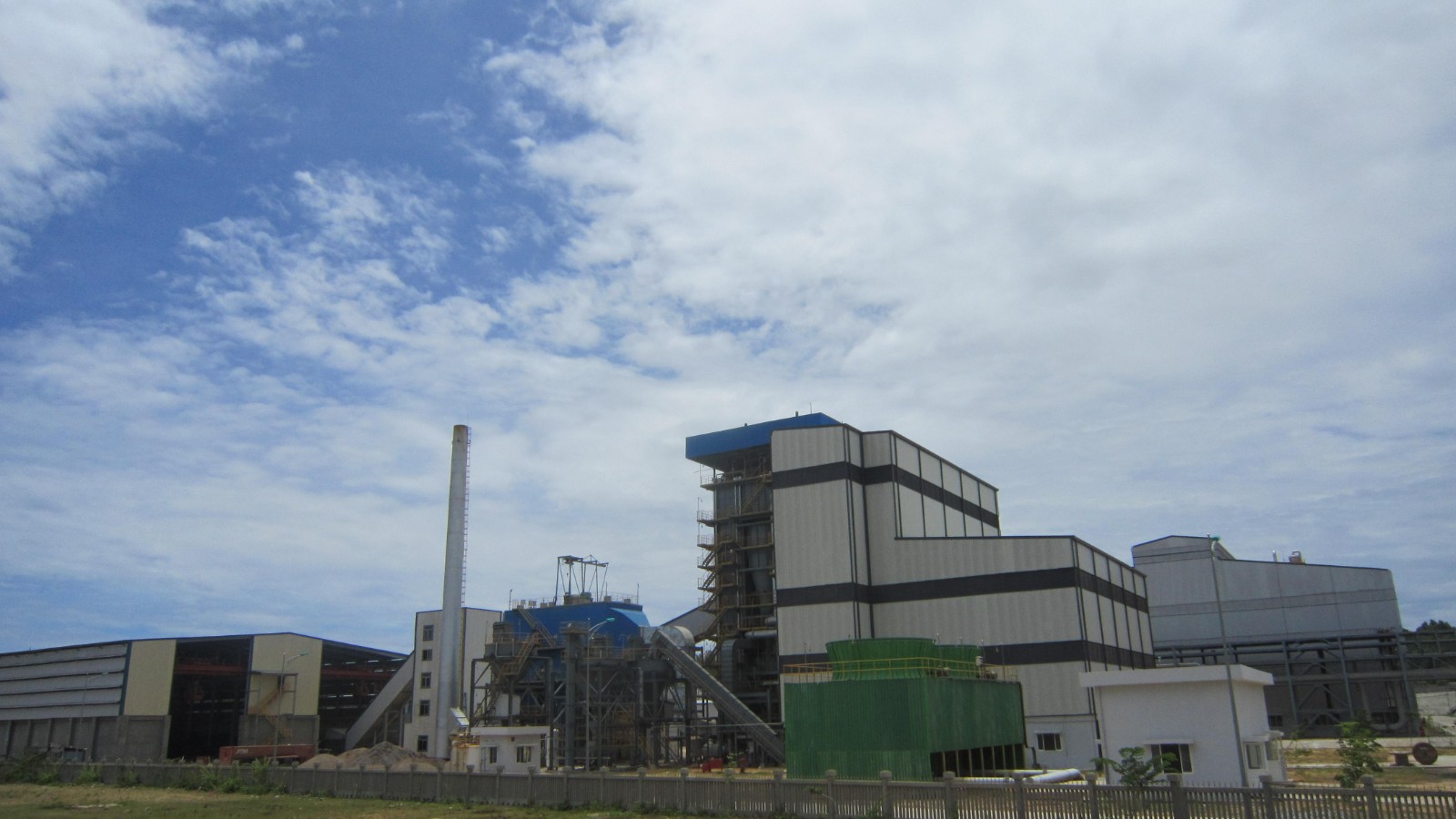
The global energy landscape is undergoing a profound transformation, with increasing emphasis on sustainability, efficiency, and environmental responsibility. Coal-fired power plants, long a backbone of electricity generation, are now facing pressure to adapt to stringent environmental regulations and evolving market demands. One of the most effective approaches to ensure these plants remain viable and environmentally responsible is through a coal – fired power plant boiler island retrofit. This strategy not only extends the operational life of existing plants but also significantly improves their environmental and economic performance.
Understanding the Need for Retrofitting
Coal-fired power plants have historically been a major source of energy due to their reliability and high capacity. However, traditional designs often fall short in terms of efficiency and emissions control. Outdated boiler islands contribute significantly to inefficiencies and elevated emissions levels, which can have both environmental and financial repercussions.
A coal – fired power plant boiler island retrofit allows plant operators to address these challenges. By upgrading the boiler island components—including the furnace, economizer, air preheater, and associated auxiliary systems—plants can achieve higher thermal efficiency, reduce fuel consumption, and decrease pollutant emissions. This approach aligns with global efforts to reduce carbon footprints while maintaining energy reliability.
Key Technologies in Boiler Island Retrofits
Modern retrofitting strategies focus on integrating advanced technologies that enhance performance without requiring a complete plant overhaul. Several key technologies play a critical role in coal – fired power plant boiler island retrofit:
- Advanced Combustion Systems: Replacing or modifying burners can optimize fuel-air mixing, improve combustion efficiency, and reduce unburned carbon emissions. Low-NOx burners and overfire air systems are commonly implemented to minimize nitrogen oxide emissions.
- Heat Recovery Improvements: Upgrading economizers, superheaters, and air preheaters can recover more energy from flue gases, increasing overall thermal efficiency. Enhanced heat recovery directly translates into fuel savings and reduced greenhouse gas emissions.
- Emission Control Solutions: Incorporating flue gas desulfurization (FGD), selective catalytic reduction (SCR), and particulate control systems can significantly lower sulfur dioxide, nitrogen oxides, and particulate matter emissions. These systems ensure compliance with increasingly strict environmental standards.
- Automation and Monitoring Systems: Integrating advanced control and monitoring technologies allows for real-time performance tracking, predictive maintenance, and optimal plant operation. Automation reduces human error, enhances safety, and ensures consistent efficiency gains.
Environmental Benefits of Retrofits
The environmental benefits of a coal – fired power plant boiler island retrofit are substantial. By modernizing boiler components and integrating advanced emission control technologies, plants can significantly reduce their environmental impact.
- Reduced Greenhouse Gas Emissions: Improved combustion efficiency and heat recovery result in lower carbon dioxide emissions per unit of electricity generated. This contributes to national and global climate targets while enhancing the sustainability profile of the plant.
- Lower Pollutant Levels: Retrofit technologies such as low-NOx burners, SCR systems, and FGD units minimize harmful pollutants, improving local air quality and public health.
- Efficient Resource Utilization: Higher efficiency means less coal is required to generate the same amount of electricity, conserving natural resources and reducing waste.
Economic Advantages of Retrofitting
While environmental responsibility is a primary driver, coal – fired power plant boiler island retrofit also offers compelling economic benefits.
- Extended Plant Life: Retrofitting allows existing plants to operate efficiently for an additional 15 to 20 years, delaying the need for costly new construction.
- Lower Operational Costs: Enhanced efficiency reduces fuel consumption, directly translating into substantial cost savings. Maintenance costs are also reduced due to improved system reliability.
- Compliance Cost Reduction: By meeting environmental regulations proactively, plants avoid fines and penalties while positioning themselves as leaders in sustainable energy practices.
- Improved Market Competitiveness: Modernized plants are better equipped to compete in deregulated energy markets where efficiency and environmental performance influence profitability.
The Role of RUNH POWER in Sustainable Retrofits
RUNH POWER has established itself as a trusted leader in delivering high-quality coal – fired power plant boiler island retrofit solutions. With extensive experience in designing and implementing retrofits, RUNH POWER focuses on maximizing both efficiency and environmental performance.
The company employs a holistic approach, combining advanced engineering, cutting-edge technology, and rigorous project management. This ensures that every retrofit project meets the highest standards of safety, reliability, and sustainability. By collaborating closely with plant operators, RUNH POWER tailors solutions to specific operational requirements, optimizing outcomes and ensuring long-term value.
Challenges and Considerations
Despite the numerous benefits, retrofitting coal-fired power plants comes with challenges that must be carefully managed.
- Technical Complexity: Upgrading boiler islands requires detailed engineering analysis and careful integration with existing systems. Any misalignment can impact performance or safety.
- Capital Investment: While retrofits are generally more cost-effective than building new plants, significant upfront investment is required. Accurate cost-benefit analysis is essential to justify the project.
- Downtime and Operational Disruption: Retrofitting involves planned plant shutdowns, which must be managed to minimize disruption to electricity supply. Effective scheduling and project management are critical.
- Regulatory Compliance: Retrofitting must comply with local, national, and international regulations. Continuous monitoring and adaptation are necessary to ensure compliance.
Future Outlook for Retrofits
The future of coal-fired energy lies in balancing sustainability with operational efficiency. Retrofits represent a pragmatic and impactful solution, enabling plants to meet evolving environmental standards while maintaining reliable energy output.
Emerging technologies, such as hybrid systems integrating renewable energy with coal-fired generation, advanced digital monitoring, and AI-driven predictive maintenance, will further enhance retrofit benefits. These innovations will ensure that coal-fired plants remain relevant in a rapidly transforming energy landscape.
RUNH POWER continues to drive innovation in this sector, developing retrofit solutions that are both environmentally responsible and economically viable. By prioritizing sustainability and performance, the company is helping power plants transition into the next era of energy generation.
Conclusion
Coal – fired power plant boiler island retrofit is no longer just an option—it is a necessity for operators seeking sustainability, efficiency, and competitiveness. By leveraging advanced technologies, enhancing operational efficiency, and minimizing environmental impact, retrofits extend the life of existing assets while contributing to a cleaner energy future.
With industry leaders like RUNH POWER spearheading innovative retrofit solutions, coal-fired power plants can achieve a balanced approach to energy production that meets the demands of both the market and the environment. The future of energy is one where sustainability and performance coexist, and retrofitting remains a key strategy in making that vision a reality.