
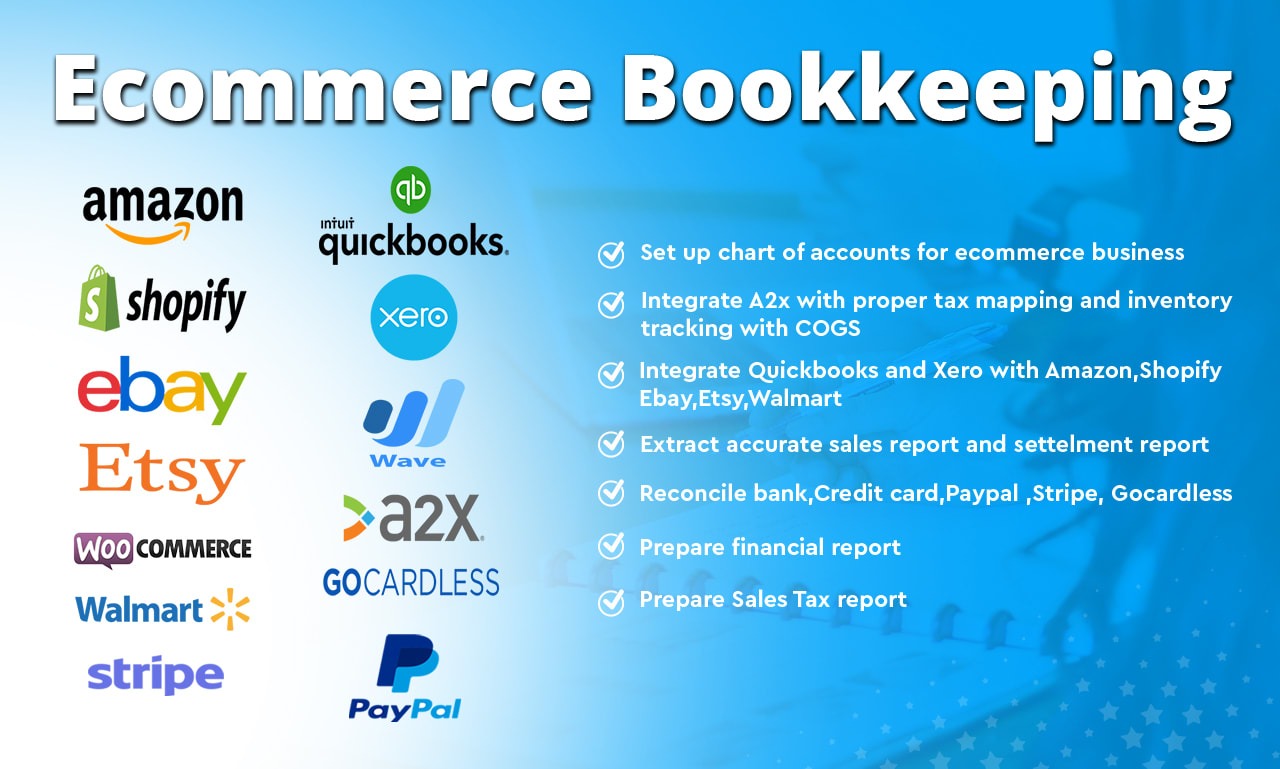
Running an online store is not just about driving traffic and increasing sales—it’s about making sure those sales actually translate into real profit. Many eCommerce businesses experience strong revenue growth but still struggle with thin or inconsistent margins because hidden costs, poor tracking, and fragmented financial data distort their true performance. This is where professional eCommerce bookkeeping services become a powerful growth tool rather than just an administrative function.
In this article, we’ll explore how structured financial management helps online businesses improve visibility, reduce losses, and ultimately boost profit margins. We will also look at how specialized providers like https://www.bobsbookkeepers.com/ecommerce help eCommerce brands streamline their financial operations and scale profitably.
Why Profit Margins Are Hard to Control in eCommerce
Unlike traditional businesses, eCommerce stores operate in a complex financial ecosystem. Every sale involves multiple moving parts—product costs, shipping fees, payment gateway charges, advertising spend, refunds, and platform commissions. If even one of these elements is misclassified or overlooked, it can distort your real profitability.
For example, many sellers mistakenly focus on revenue instead of net profit. However, high revenue does not guarantee healthy margins when hidden costs are not properly tracked. Research shows that eCommerce businesses deal with layered expenses such as marketplace fees, shipping adjustments, and return costs that directly impact profitability metrics . Without accurate bookkeeping, these expenses often remain invisible until cash flow problems arise.
This complexity makes it difficult for business owners to identify what is actually driving profit—and what is silently eroding it.
The Role of eCommerce Bookkeeping Services in Margin Optimization
Professional eCommerce bookkeeping services are designed to bring clarity to this complexity. Instead of generic accounting methods, they use systems tailored for online stores that operate on platforms like Shopify, Amazon, WooCommerce, and Etsy.
A specialized bookkeeping setup ensures every transaction is properly categorized, including sales, refunds, platform fees, and advertising expenses. This helps create a true picture of profitability rather than inflated revenue figures. Accurate bookkeeping also supports better cash flow forecasting, tax preparation, and financial planning, all of which directly influence profit margins .
When businesses have access to clean financial data, they can make faster and more confident decisions about pricing, scaling, and inventory management.
Accurate Cost Tracking Improves Gross Profit Visibility
One of the biggest benefits of using eCommerce bookkeeping services is improved cost tracking. In eCommerce, profit margins are heavily influenced by Cost of Goods Sold (COGS), shipping expenses, packaging, and marketplace fees. If these are not recorded correctly, gross profit becomes unreliable.
For instance, separating direct product costs from operational expenses ensures that business owners can clearly see which products are truly profitable. Proper bookkeeping systems track SKU-level profitability, meaning each product’s performance can be analyzed individually instead of relying on overall averages.
This level of detail helps businesses identify underperforming products, optimize pricing strategies, and reduce unnecessary operational costs—all of which lead to stronger profit margins.
Eliminating Hidden Fees and Financial Leakages
Hidden costs are one of the biggest threats to eCommerce profitability. These include transaction fees, advertising overspend, return losses, and fulfillment inefficiencies. Many of these costs are deducted automatically from platform payouts, making them easy to overlook.
eCommerce bookkeeping services help identify these leaks by reconciling every transaction across multiple channels. This includes matching bank deposits with actual order-level data and ensuring no expense goes untracked. When businesses can see exactly where money is being lost, they can take corrective actions such as renegotiating supplier rates, optimizing ad spend, or improving logistics efficiency.
Over time, this leads to tighter financial control and significantly improved margins.
Better Inventory Management Leads to Higher Profitability
Inventory mismanagement is another major factor that affects profit margins. Overstocking ties up capital, while understocking leads to missed sales opportunities. eCommerce bookkeeping services integrate inventory tracking into financial reporting, ensuring business owners always understand stock value and movement.
This integration helps businesses maintain optimal inventory levels while reducing storage costs and preventing losses from expired or unsold stock. It also improves cash flow since money is not unnecessarily locked into slow-moving products.
With accurate inventory insights, businesses can align purchasing decisions with real demand, improving both efficiency and profitability.
Data-Driven Decision Making for Scaling Profitably
One of the most valuable outcomes of professional bookkeeping is access to real-time financial insights. Instead of relying on guesswork, business owners can make decisions based on accurate profit reports.
This includes understanding which sales channels are most profitable, which products generate the highest margins, and where marketing spend delivers the best return. According to industry insights, successful eCommerce brands increasingly rely on financial discipline and real-time reporting to eliminate hidden profit leaks and scale sustainably .
With this level of clarity, businesses can confidently scale operations without risking profitability.
Why Outsourcing eCommerce Bookkeeping Improves Efficiency
Managing bookkeeping internally can be time-consuming and prone to errors, especially for growing online stores. Outsourcing to specialized providers like https://www.bobsbookkeepers.com/ecommerce allows business owners to focus on core activities such as marketing, product development, and customer experience.
Professional bookkeepers use automation tools, reconciliation systems, and eCommerce-specific accounting methods to ensure accuracy and consistency. This reduces human error, improves reporting speed, and ensures financial data is always up to date.
The result is a more efficient operation where financial management supports growth instead of slowing it down.
Strengthening Pricing Strategies Through Financial Insight
Pricing is one of the most important levers for improving profit margins. However, without accurate financial data, pricing decisions are often based on assumptions rather than facts.
eCommerce bookkeeping services provide clarity on total cost per product, including hidden expenses like shipping, platform fees, and payment processing charges. With this information, businesses can adjust pricing strategies to ensure healthy margins while remaining competitive.
This data-driven approach prevents underpricing and helps maintain long-term profitability even in competitive markets.
Building a Financial Foundation for Sustainable Growth
Ultimately, strong profit margins depend on strong financial foundations. eCommerce bookkeeping services create that foundation by ensuring every financial transaction is recorded, categorized, and analyzed correctly.
This leads to better decision-making, improved operational efficiency, and stronger financial control. Instead of reacting to financial problems, businesses can proactively manage profitability and scale with confidence.
By using expert services like https://www.bobsbookkeepers.com/ecommerce, eCommerce brands can transform bookkeeping from a back-office task into a strategic growth driver.
Conclusion
Boosting profit margins in eCommerce is not just about increasing sales—it is about understanding where every dollar goes and optimizing every financial decision. With the complexity of online selling, accurate bookkeeping becomes essential for identifying hidden costs, improving pricing strategies, and maintaining financial clarity.
eCommerce bookkeeping services give businesses the tools they need to track performance, eliminate inefficiencies, and scale sustainably. In a competitive digital marketplace, this financial clarity is what separates struggling stores from highly profitable brands.