
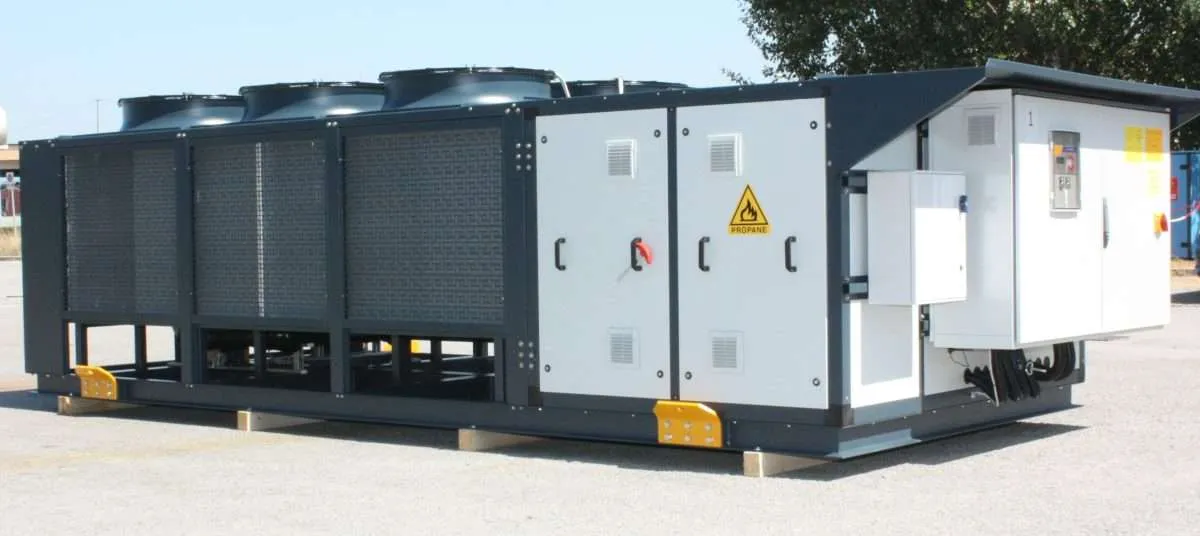
As homeowners increasingly seek energy-efficient solutions, propane heat pumps have emerged as a versatile and sustainable option for modern heating and cooling. These systems combine the efficiency of heat pumps with the clean-burning properties of propane, offering a compelling alternative to traditional electric or gas-powered units. When integrated with smart home technology, propane heat pumps can provide unprecedented convenience, energy savings, and environmental benefits.
Understanding Propane Heat Pumps
Propane heat pumps operate similarly to conventional heat pumps, moving heat from one area to another instead of generating it through combustion. What sets propane systems apart is their use of propane as a fuel source, either to assist with heating during extremely cold weather or to improve overall efficiency. This dual approach allows homeowners to maintain comfort while reducing reliance on electricity or fossil fuels.
One of the significant advantages of propane heat pumps is their ability to perform efficiently in a wide range of temperatures. Unlike traditional heat pumps, which can lose effectiveness in extreme cold, propane-assisted units provide consistent heating without a dramatic increase in energy consumption. This makes them particularly attractive in regions with harsh winters where energy efficiency and cost savings are critical.
Additionally, propane heat pumps are environmentally friendly. Propane burns cleaner than many other fossil fuels, producing lower levels of carbon monoxide and greenhouse gases. When paired with renewable electricity sources for the heat pump component, these systems can significantly reduce a household’s carbon footprint.
Advantages of Smart Home Integration
The integration of propane heat pumps with smart home systems amplifies their benefits, offering homeowners a new level of control and efficiency. Smart thermostats and home automation platforms allow users to monitor and adjust heating and cooling remotely, optimize energy usage, and create personalized comfort schedules.
For instance, a smart thermostat connected to a propane heat pump can detect when a family is away and automatically reduce energy usage, then restore optimal comfort levels before their return. This not only saves money but also ensures that the home maintains a consistent temperature without manual intervention.
Energy monitoring is another critical advantage. Many smart home platforms provide detailed reports on energy consumption, helping homeowners identify patterns and adjust settings to maximize efficiency. When applied to propane heat pumps, these insights can lead to reduced fuel costs and more environmentally responsible operation.
Voice control is becoming increasingly popular in smart homes. Propane heat pumps can be integrated with virtual assistants, allowing homeowners to adjust temperatures using simple voice commands. This adds convenience and accessibility, particularly for those with mobility challenges or busy schedules.
Key Features to Consider
When evaluating propane heat pumps for smart home integration, several features are important to consider. First, compatibility with existing smart home platforms is essential. Popular ecosystems such as Amazon Alexa, Google Home, and Apple HomeKit offer extensive support for smart thermostats and automation routines. Ensuring your heat pump system can communicate with these platforms will maximize the potential benefits.
Another important feature is zoning capability. Propane heat pumps with zone control allow different areas of the home to be heated or cooled independently. This feature, when combined with smart scheduling, ensures that energy is not wasted on unoccupied rooms and that comfort is tailored to the needs of each household member.
Efficiency ratings, such as SEER (Seasonal Energy Efficiency Ratio) and HSPF (Heating Seasonal Performance Factor), are also critical. High-efficiency units reduce both fuel consumption and environmental impact. Smart integration can further enhance efficiency by adjusting operation based on real-time weather data and occupancy patterns.
Lastly, system reliability and maintenance requirements should be considered. Propane heat pumps require regular servicing to maintain optimal performance, and some smart platforms can provide alerts or reminders when maintenance is due. This proactive approach helps prevent breakdowns and extends the lifespan of the system.
Installation and Operational Considerations
Proper installation is crucial for maximizing the benefits of propane heat pumps and their smart home features. Professional installation ensures that the system is correctly sized for the home, reducing the risk of inefficiency or inadequate heating. Additionally, ductwork, insulation, and ventilation must be evaluated to ensure optimal performance.
Operational considerations include the placement of smart thermostats and sensors. Strategically positioned devices can more accurately detect temperature changes and occupancy, allowing the system to respond efficiently. For homes with multiple levels or large open spaces, additional sensors may be necessary to achieve consistent comfort throughout the house.
Propane supply logistics should also be addressed. Reliable access to propane, along with safe storage solutions, is essential for continuous operation. Homeowners should work with certified propane suppliers and follow safety guidelines to ensure proper handling and refilling.
Environmental and Economic Benefits
Combining propane heat pumps with smart home technology offers both environmental and economic advantages. From an environmental standpoint, the clean-burning properties of propane and the energy efficiency of heat pumps reduce greenhouse gas emissions. This contributes to a more sustainable home and aligns with broader goals for reducing energy consumption and environmental impact.
Economically, propane heat pumps can lower utility bills through reduced electricity usage and efficient fuel consumption. Smart home integration amplifies these savings by enabling precise control over heating and cooling schedules. The ability to monitor energy usage in real time allows homeowners to make informed decisions about temperature settings and operational patterns.
Additionally, some regions offer incentives for installing energy-efficient systems, including rebates, tax credits, or low-interest financing. These programs can offset initial installation costs and make propane heat pumps with smart integration an even more attractive investment.
Future Trends and Innovations
The future of propane heat pumps and smart home integration is promising. Advances in artificial intelligence and machine learning are enabling systems that adapt to homeowners’ routines and preferences automatically. Predictive analytics can anticipate weather changes, adjust heating or cooling accordingly, and even optimize propane usage for cost efficiency.
Integration with home energy management systems is another emerging trend. These platforms coordinate multiple energy sources, including solar panels, batteries, and propane heat pumps, to maximize efficiency and reduce reliance on the grid. As renewable energy adoption increases, propane heat pumps will continue to complement other clean energy technologies, offering a reliable backup and peak load management.
Wireless connectivity improvements are also making installation and maintenance simpler. Smart sensors and devices can communicate seamlessly with heat pumps, enabling remote diagnostics and troubleshooting. This reduces the need for on-site service calls and enhances the overall user experience.
Conclusion
Propane heat pumps integrated with smart home technology represent a forward-thinking approach to home comfort, energy efficiency, and sustainability. By combining the reliable heating capabilities of propane with the precision and convenience of smart systems, homeowners can enjoy consistent comfort, lower energy bills, and a reduced environmental footprint.
As the technology continues to evolve, the synergy between propane heat pumps and smart home integration will likely become a standard in modern home design. From energy monitoring and voice control to zoning and predictive analytics, these systems offer a comprehensive solution that meets the needs of today’s environmentally conscious and technologically savvy homeowners.
Investing in a propane heat pump with smart home capabilities is not just a step toward greater comfort; it is a strategic move toward efficiency, sustainability, and long-term cost savings. Homeowners looking to modernize their heating and cooling systems can benefit immensely from understanding how these systems work, the advantages they offer, and the innovations shaping their future.