
Commercial buildings require reliable insulation to maintain comfortable indoor temperatures, manage energy consumption, and support efficient building operations. Whether you own an office, warehouse, retail property, industrial facility, or multifamily building, choosing Commercial Insulation Contractors Near Me the right insulation can make a significant difference in long-term performance. Searching for Commercial Insulation Contractors Near Me is often the first step toward finding professionals who understand local building requirements and commercial insulation needs.
Why Commercial Insulation Matters
Insulation plays an important role in controlling heat transfer between the interior and exterior of a building. During cold weather, effective insulation helps retain indoor warmth, while during hot weather it can reduce unwanted heat entering the building. This can help heating and cooling systems operate more efficiently.
For Denver businesses, insulation can be especially valuable because the region experiences changing seasonal conditions. A properly insulated commercial property can provide more consistent indoor temperatures throughout the year.
Good insulation can also improve the overall comfort of employees, customers, tenants, and visitors. Areas near exterior walls, roofs, ceilings, and poorly insulated spaces can experience noticeable temperature differences. Professional insulation installation helps address these areas and creates a more balanced indoor environment.
Finding Commercial Insulation Contractors Near Me
When searching for Commercial Insulation Contractors Near Me, businesses should look beyond basic installation costs. A qualified contractor should have experience working with commercial properties and understand the specific requirements of different building types.
Commercial insulation projects can involve large areas, complex structures, mechanical systems, electrical components, and difficult-to-access spaces. Professional contractors can assess the property, identify insulation requirements, recommend suitable materials, and develop an installation plan based on the building’s needs.
Working with a local contractor can also make communication and project coordination easier. Denver businesses can benefit from professionals who understand regional construction practices, climate conditions, and common commercial building challenges.
Insulation Options for Commercial Properties
Different commercial buildings require different insulation approaches. Contractors may recommend several materials depending on the building design, performance goals, and project budget.
Spray Foam Insulation
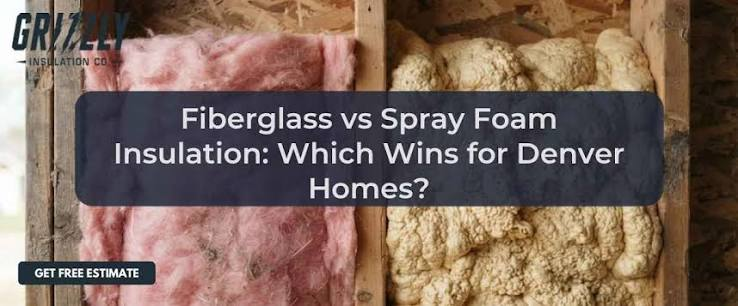
Spray foam insulation is commonly used where creating an effective air barrier is important. It expands after application and can fill gaps, cracks, and irregular spaces. It may be suitable for roofs, walls, attics, and other areas where reducing unwanted air movement is a priority.
There are different types of spray foam, and the appropriate product depends on the specific application. A professional contractor can determine which option is suitable for a particular commercial project.
Fiberglass Insulation
Fiberglass remains a popular insulation choice for many commercial applications. It is available in batts, rolls, and other forms and can be installed in walls, ceilings, and other building areas.
Its versatility makes it useful for many construction and renovation projects. Professional installation is important to ensure the material is properly positioned and does not have unnecessary gaps or compression.
Rigid Foam Insulation
Rigid foam boards can provide a durable insulation solution for walls, roofs, foundations, and other applications. They are available in different types and thicknesses, allowing contractors to select an appropriate product for specific project requirements.
Rigid insulation can be particularly useful when space is limited and consistent insulation coverage is needed.
Mineral Wool Insulation
Mineral wool can provide thermal insulation while also offering useful sound-control and fire-resistance characteristics. It may be considered for commercial buildings where multiple performance factors need to be addressed.
The right insulation material depends on the property’s construction, intended use, budget, and performance objectives.
Benefits of Professional Commercial Insulation
Hiring experienced contractors can provide several advantages compared with attempting a large insulation project without professional assistance.
Improved Energy Efficiency
Poor insulation can allow conditioned air to escape and outdoor temperatures to affect interior spaces. Better insulation helps reduce unwanted heat transfer, which may allow HVAC systems to maintain desired temperatures more efficiently.
For businesses, improving energy efficiency can contribute to better building performance and potentially lower operating expenses over time.
Better Indoor Comfort
Temperature fluctuations can make workspaces uncomfortable. Proper insulation helps create more stable indoor conditions by reducing heat movement through walls, ceilings, roofs, and other building components.
A comfortable environment can be valuable for offices, stores, restaurants, warehouses, and other commercial facilities.
Reduced Noise Transfer
Some insulation materials can also help reduce sound transmission. This can be useful for offices, apartment buildings, conference areas, healthcare facilities, and other properties where controlling unwanted noise is important.
Long-Term Building Performance
Quality insulation can support the long-term performance of a building envelope. Professional contractors can identify areas where insulation is missing, damaged, compressed, or insufficient and recommend appropriate improvements.
Commercial Insulation for Denver Businesses
Denver commercial properties can have different insulation requirements depending on their age, construction type, location, and use. Older buildings may have outdated or deteriorated insulation, while newer properties may need insulation installed as part of the original construction process.
A professional assessment can help determine whether existing insulation is performing properly. Contractors may inspect attics, walls, roofs, crawl spaces, mechanical areas, and other relevant sections of the building.
For renovation projects, insulation upgrades can also be coordinated with other improvements. For example, businesses renovating walls or roofing systems may have an opportunity to improve insulation at the same time.
What to Expect From a Professional Contractor
A commercial insulation project generally begins with an assessment of the property. The contractor reviews the building’s structure, identifies areas that require insulation, and discusses the business owner’s goals.
The next step is usually selecting suitable insulation materials and determining installation requirements. Project planning may include preparation, removal of damaged materials where necessary, installation, cleanup, and inspection.
Professional contractors should also communicate clearly about the expected project timeline, materials, preparation requirements, and overall scope of work.
Clear communication helps minimize disruptions to normal business operations, which can be especially important for commercial properties that need to remain open during improvements.
Choosing the Right Commercial Insulation Contractor
Businesses should consider several factors when comparing contractors. Experience is one of the most important considerations, particularly for complex commercial projects.
Look for contractors who can explain their recommendations clearly and provide information about the materials and installation process. A contractor should also understand the specific challenges associated with commercial buildings.
It is helpful to ask about previous commercial projects, licensing or certifications where applicable, warranties, project timelines, and cleanup procedures. Businesses should also obtain detailed estimates so they can compare the overall scope of different proposals rather than focusing only on the lowest price.
A quality contractor will prioritize proper preparation and installation instead of simply applying insulation as quickly as possible.
Maintaining Commercial Insulation
Even after installation, commercial insulation should be monitored as part of regular building maintenance. Water intrusion, remodeling, pests, structural changes, or mechanical work can affect insulation performance.
Periodic inspections can help identify problems before they become more significant. If insulation becomes damaged or displaced, professional repairs may restore the intended performance of the building envelope.
Business owners should also pay attention to unusual temperature differences, increased HVAC operation, drafts, or moisture concerns, as these may indicate insulation or building-envelope problems.
Invest in Better Building Performance
Searching for Commercial Insulation Contractors Near Me can help Denver businesses find professional solutions for improving comfort, energy efficiency, and overall building performance. The right insulation system can support a property’s needs for years when it is properly selected and professionally installed.
Whether a business is constructing a new facility, renovating an existing property, or addressing insulation problems in an older building, professional evaluation is a valuable starting point. With the right materials, planning, and installation techniques, commercial insulation can become an important investment in a more comfortable, efficient, and durable Denver property.